BOLD Talent
Luke Evans.
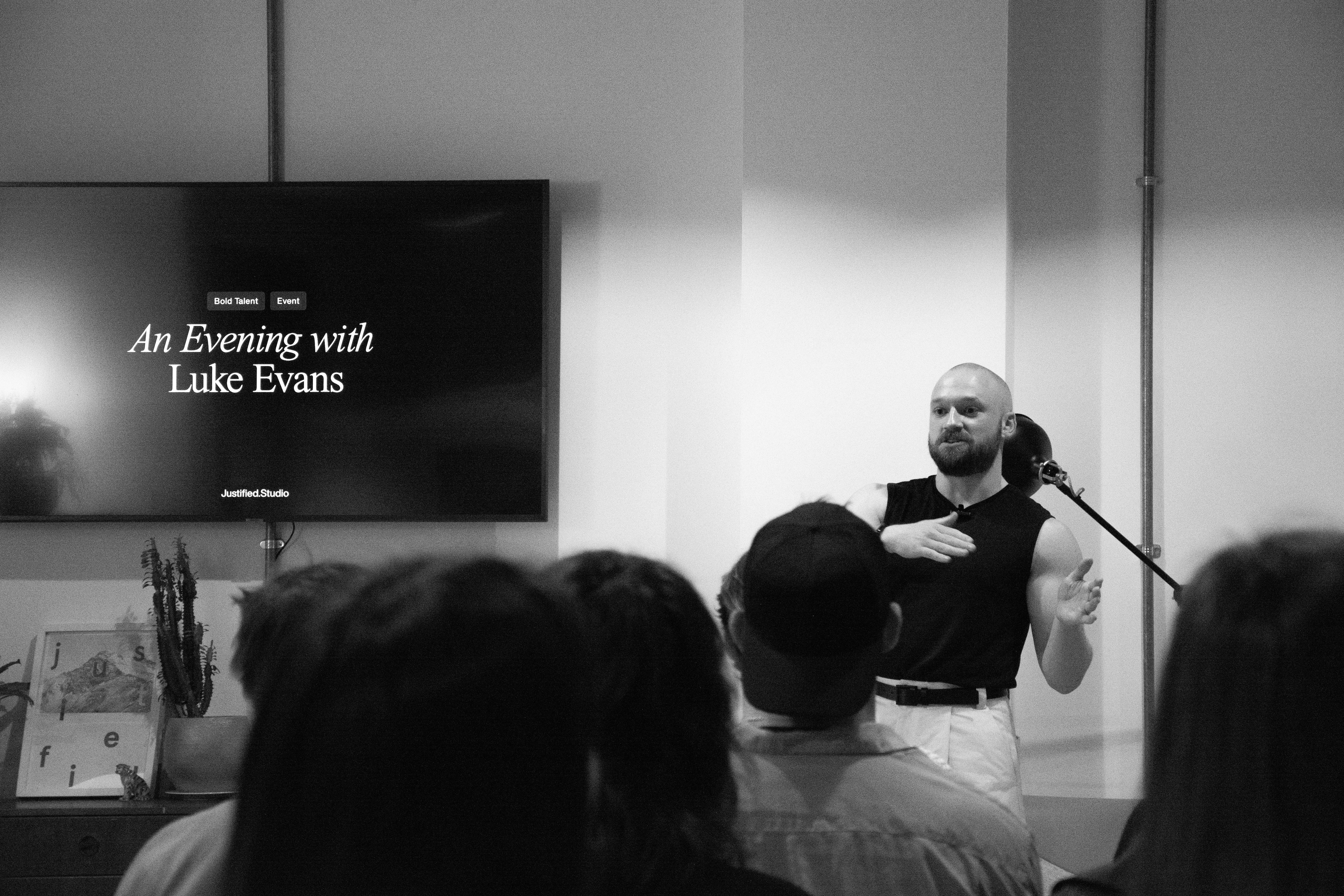
For this instalment of Bold Talent, we host photographer Luke Evans at Justified Studio to talk about his practice and how it moves fluidly between meticulous craft and raw emotional instinct.
Experimentation, instinct, and finding truth in the image.
Luke's journey, from a childhood in rural Herefordshire to global commercial sets and deeply personal bodies of work, is shaped by an almost scientific curiosity for how images are made, and a lifelong desire to understand what they can mean.
Listening to Luke speak feels like tracing the evolution of a mind restlessly chasing new sensations: from building static generators in student dorms, to swallowing strips of film in the name of self-portraiture, to wandering across Japan with a Pentax 67 and only two frames left in the roll. His work is rooted in experimentation, but anchored always by atmosphere, the softness of nature, the stillness between inside and outside, the breath of a place.
Across the conversation, we learnt how Luke’s images have been shaped by chance encounters, technical obsession, and the strange, unpredictable path of a creative career.
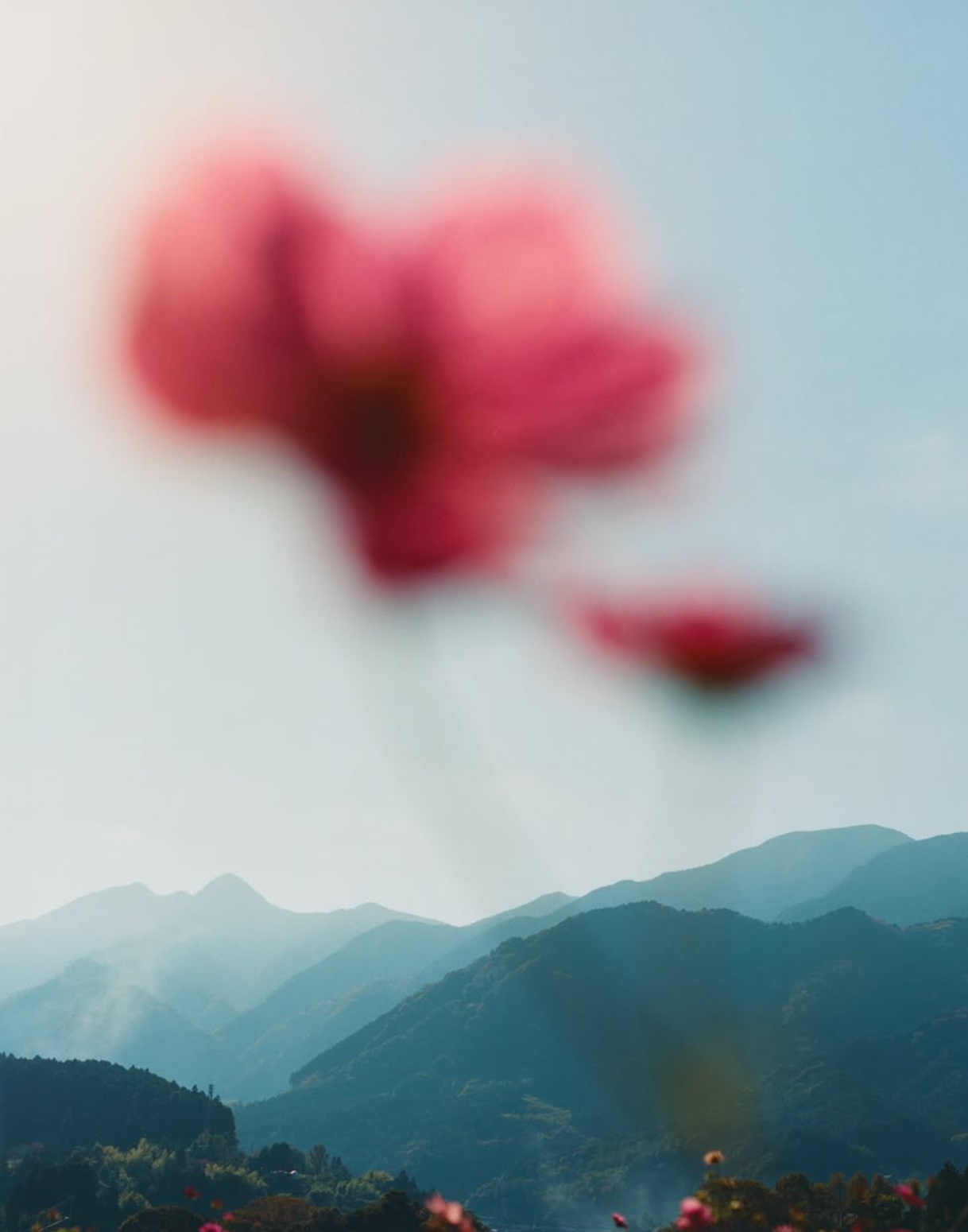
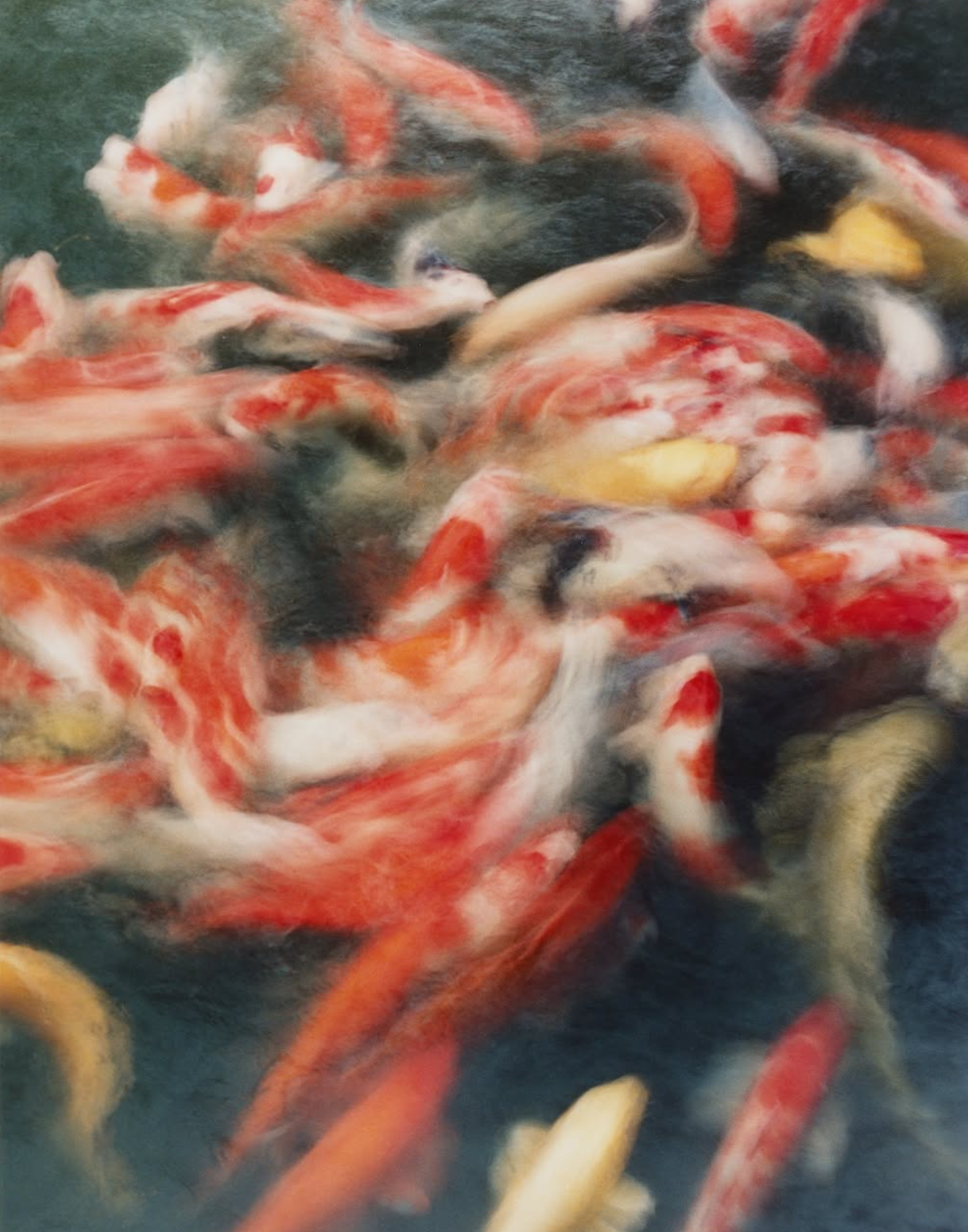
Imagery from Luke's recent trip to Japan.
Origins and early experiments.
Luke grew up in a family far removed from the arts, a bricklayer father, a nurse mother, and talks about being the “odd one out,” the first to pursue a creative path. But the seeds were there early: the urge to tinker, to test, to see what might happen.
At Kingston, surrounded by a variety of disciplines, he began pushing photography far outside its usual frame. Not content to simply press a shutter, he experimented with the physicality of the medium itself. Notably, he and friend Josh Lake created a project that would unexpectedly thrust them into the spotlight: ingesting strips of photographic film, letting their bodies imprint on the gelatin, and then using a scanning electron microscope to transform the remnants into haunting images.
It was strange, visceral, conceptual, and, as Luke recalls, the first moment he felt the impact of his work moving into the world.
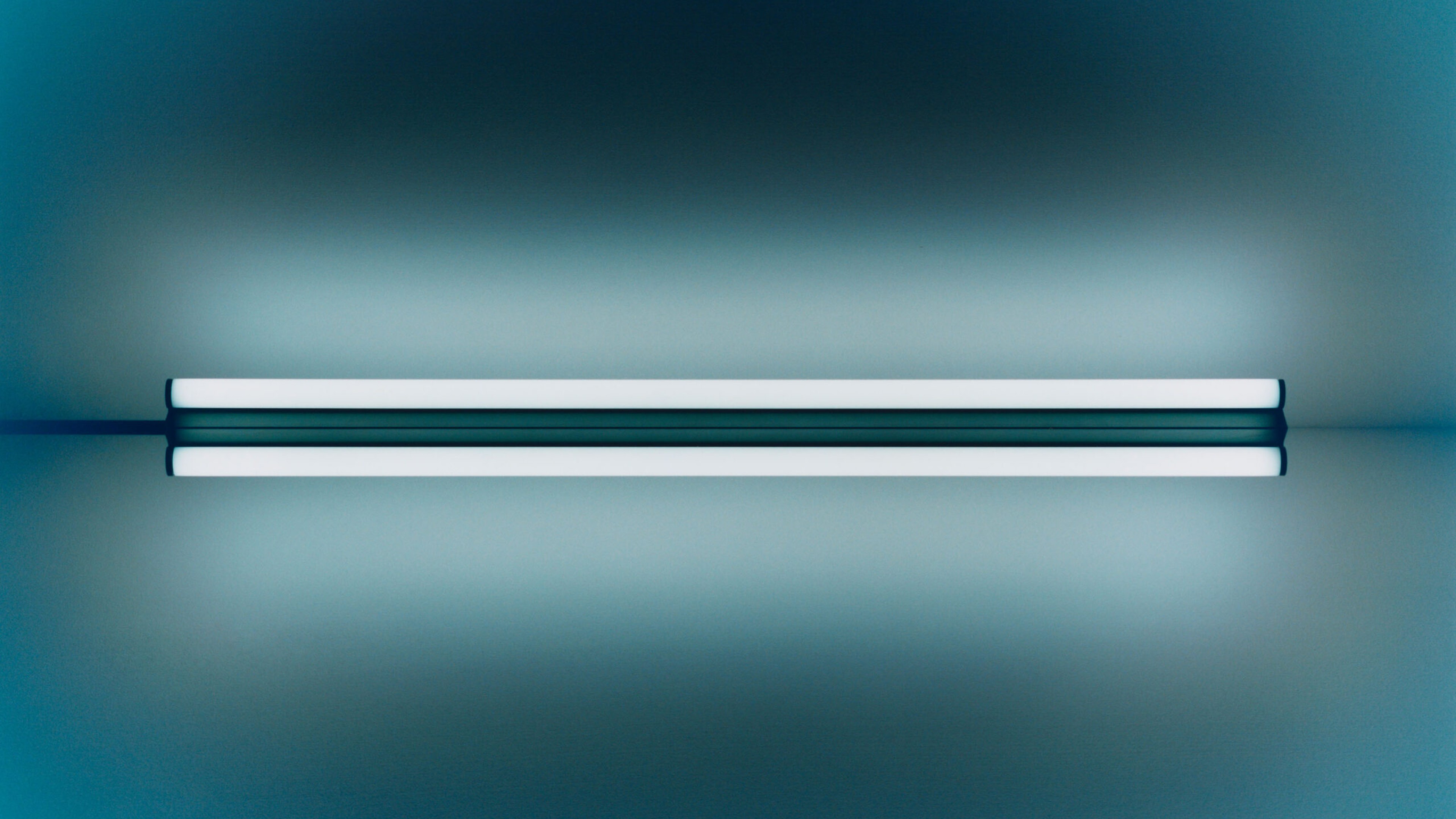
“It feels like my work is slowly changing and opening up in ways I hadn’t planned, and I want to continue that.”Luke Evans
Commercial work, momentum, and the fear of going solo.
After university, though, reality hit hard. Luke speaks openly about the difficulty of being “unemployable” with such unconventional work. He returned home, moved back in with his mum, and kept making images out of sheer instinct, trusting the wind to take him somewhere.
Commercial projects followed: first small, then increasingly complex, culminating in a high-stakes Tiffany shoot during COVID where his entire crew was knocked out by positive tests, leaving him essentially alone in a cavernous studio with global expectations resting on his shoulders. He laughs retelling it now, but the moment marked a turning point: a realisation of capability, resilience, and direction.
But with constant work came a creeping fear: of losing softness, losing process, losing the part of himself that made the images feel alive. Everything risked becoming “too clean.” So he began a conscious recalibration.
That recalibration came in the form of film.
In a world that felt increasingly crisp and digital, Luke longed for friction, the tactile, the imperfect, the hands-on. Film brought back accident, intuition, and the impossibility of previewing. It forced him to trust his body and his eye.
A particular shoot became a watershed moment: printing images by hand, experimenting with new light, feeling a warmth and buzz in the studio that reminded him what photography once meant. That led him back into the darkroom, where film, print, collage, and craft now sit side by side with his more technical, clinical commercial work.
Today, his practice exists on a spectrum between hard edges and soft emotion, the polished and the handmade, in a balance that feels unmistakably his.
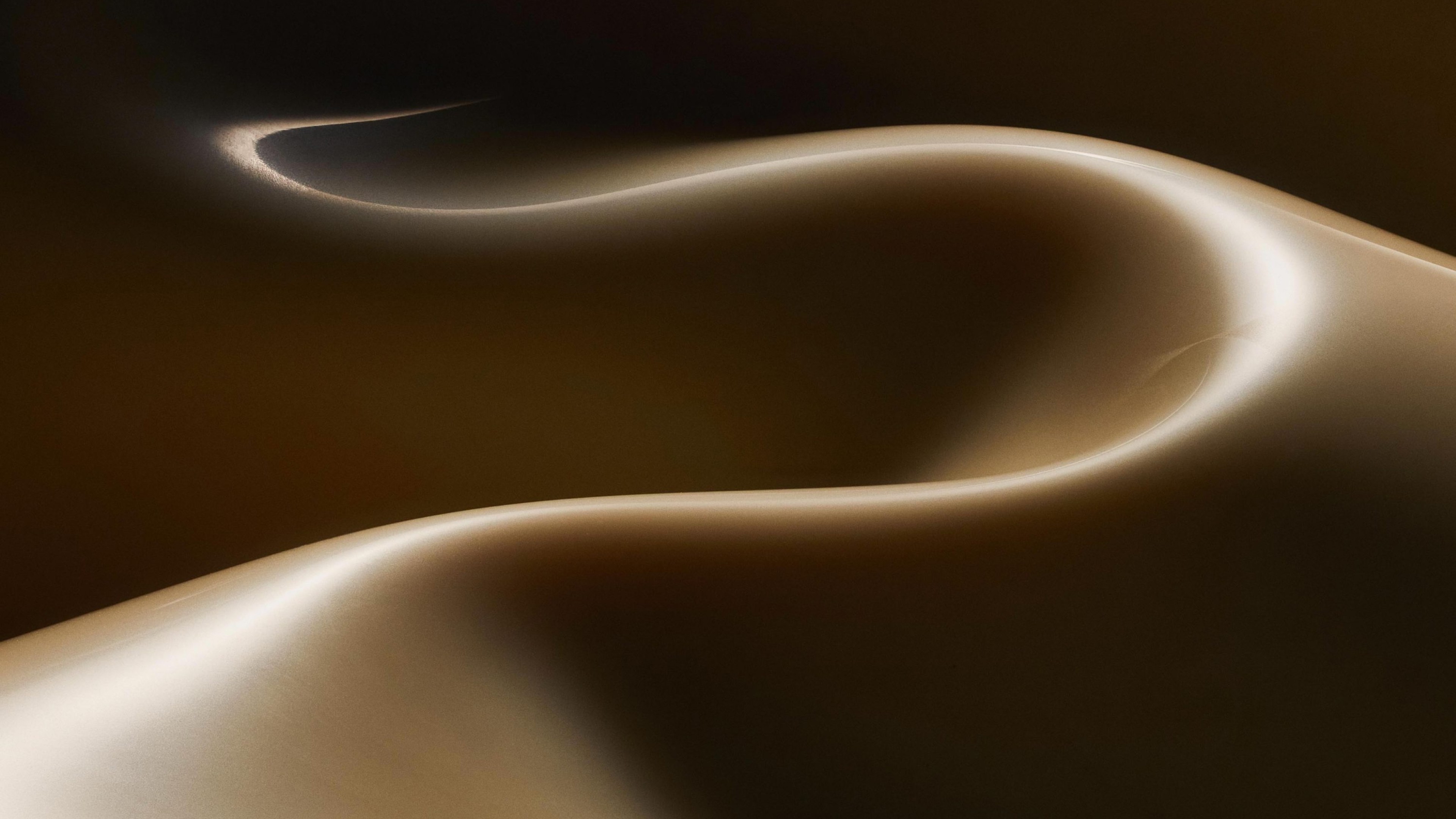
Luke Evans work.
Japan and nature.
Luke’s recent personal work, shot across Japan, reveals the deep connective tissue between his sensibilities: nature, light, architecture, and the fluid edge between interior and exterior.
He describes a profound resonance with Japanese attitudes to nature , the way buildings breathe with landscape, the subtlety of perspective, the quietness of space. The images he created there capture that same breath: the mist on a mountain hut, the stillness of a road at dawn, the intimacy of a small temple town, the tension of a moment before fear (a spider, a futon, a sudden sprint into the kitchen).
These photographs feel contemplative, almost suspended, as if they’re holding the viewer between two worlds.
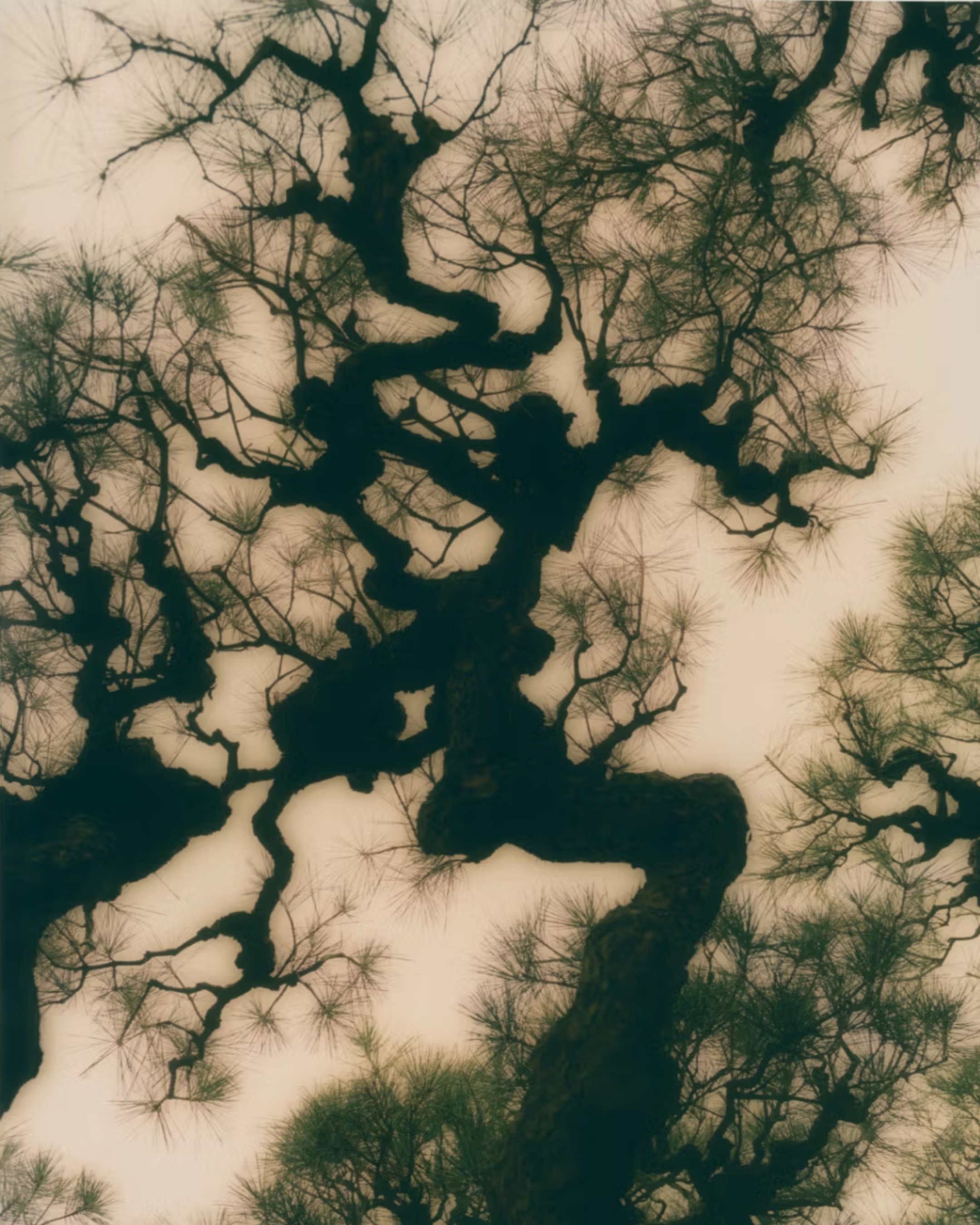
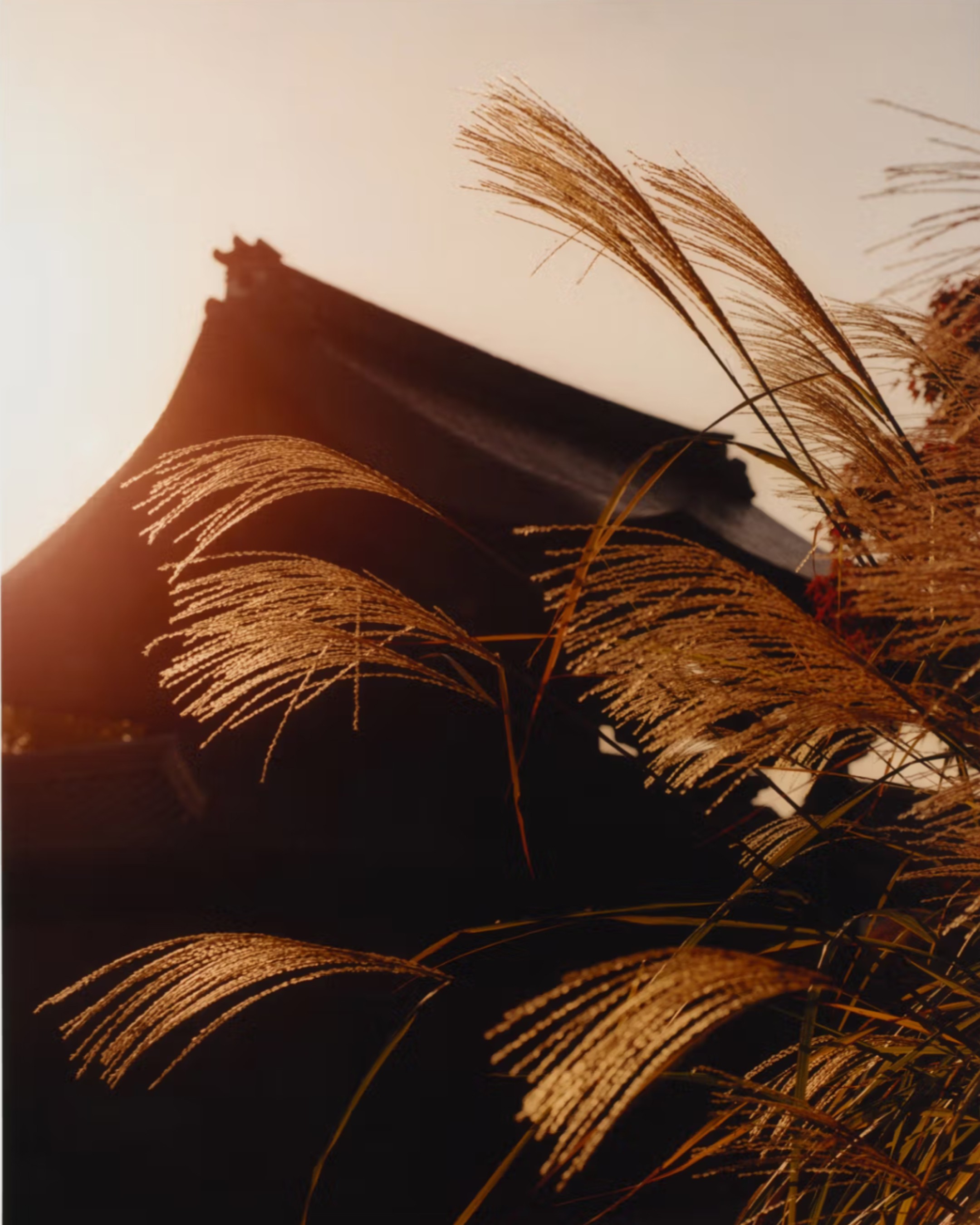
Luke Evans - Japan
Craft, instinct, and making the work you hope to find.
What emerges most clearly from Luke’s story is a commitment to instinct. Whether it’s placing a tripod on a mountainside moments before being shouted at by a stranger, pressing the shutter on the final frame of a roll, or choosing to print something by hand rather than edit it digitally, Luke remains guided by feeling.
He talks about photography as an act of noticing: the glint of glass, the unexpected softness in a hard object, the way a place shapes the atmosphere around it. And he speaks about career moments like climbing a rock face, with certain shoots becoming the nails you grip to pull yourself up.
Through all of it, the work continues to evolve. To open. To shift. To seek.
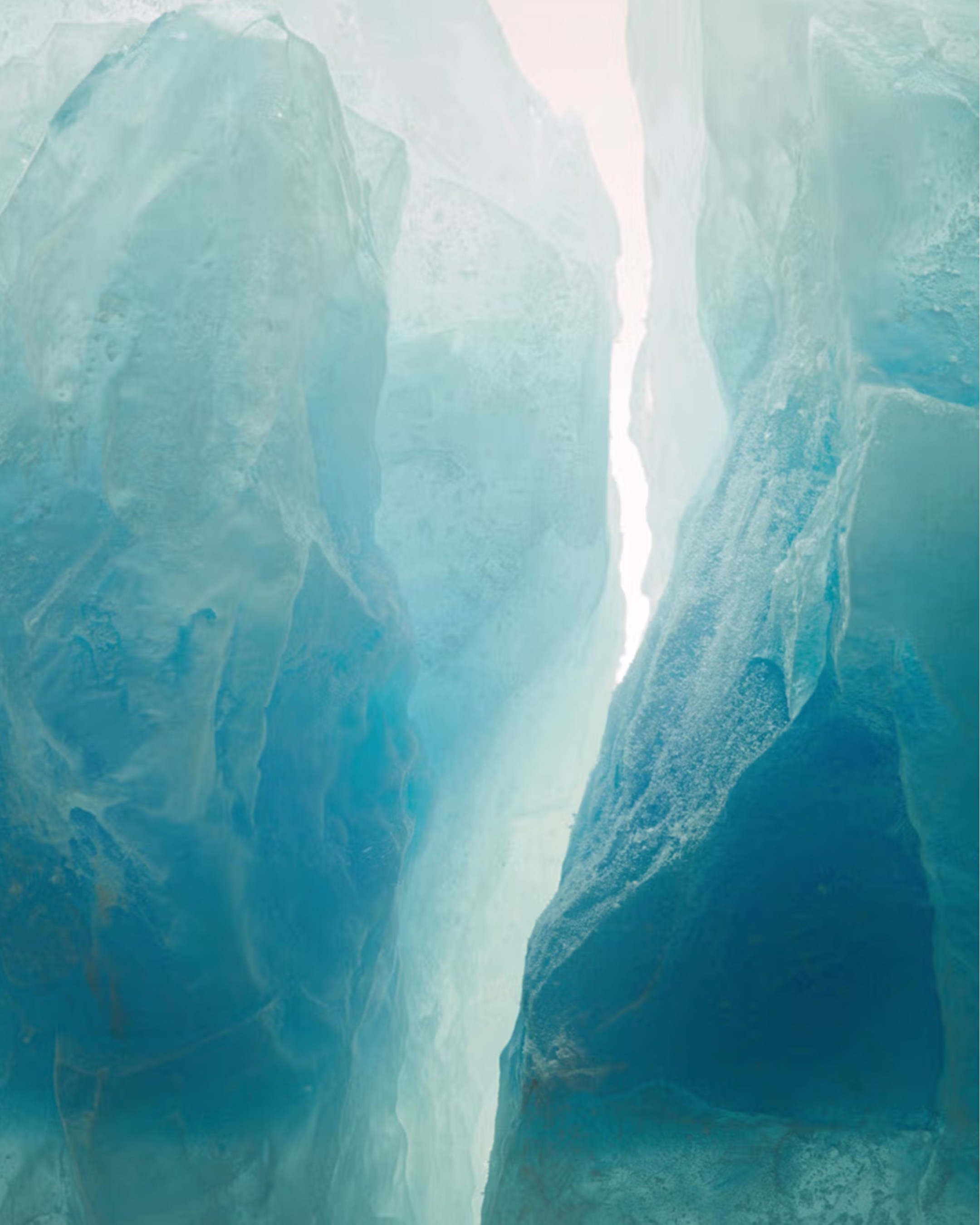
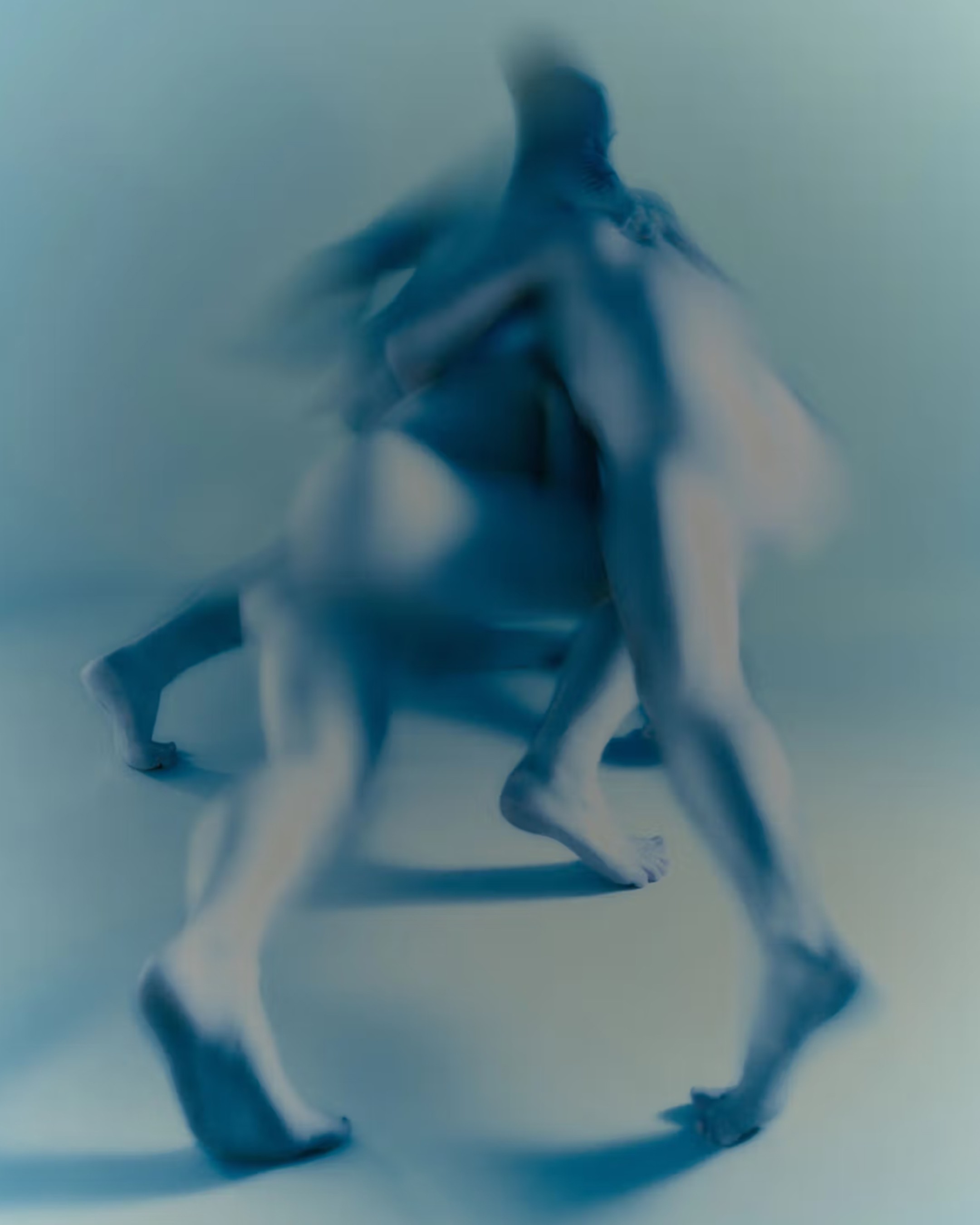
Luke Evans - Recent Works
What’s next.
Luke ended his talk with us with a sense of ongoing transformation. His work is still changing in ways he couldn’t have predicted, and, crucially, in ways he doesn’t want to control too tightly.
His images now carry a tension between precision and emotion, digital clarity and analogue texture, the real and the dreamlike. They feel like the result of a life spent questioning what a photograph can be, and discovering, again and again, that the answer is never fixed.
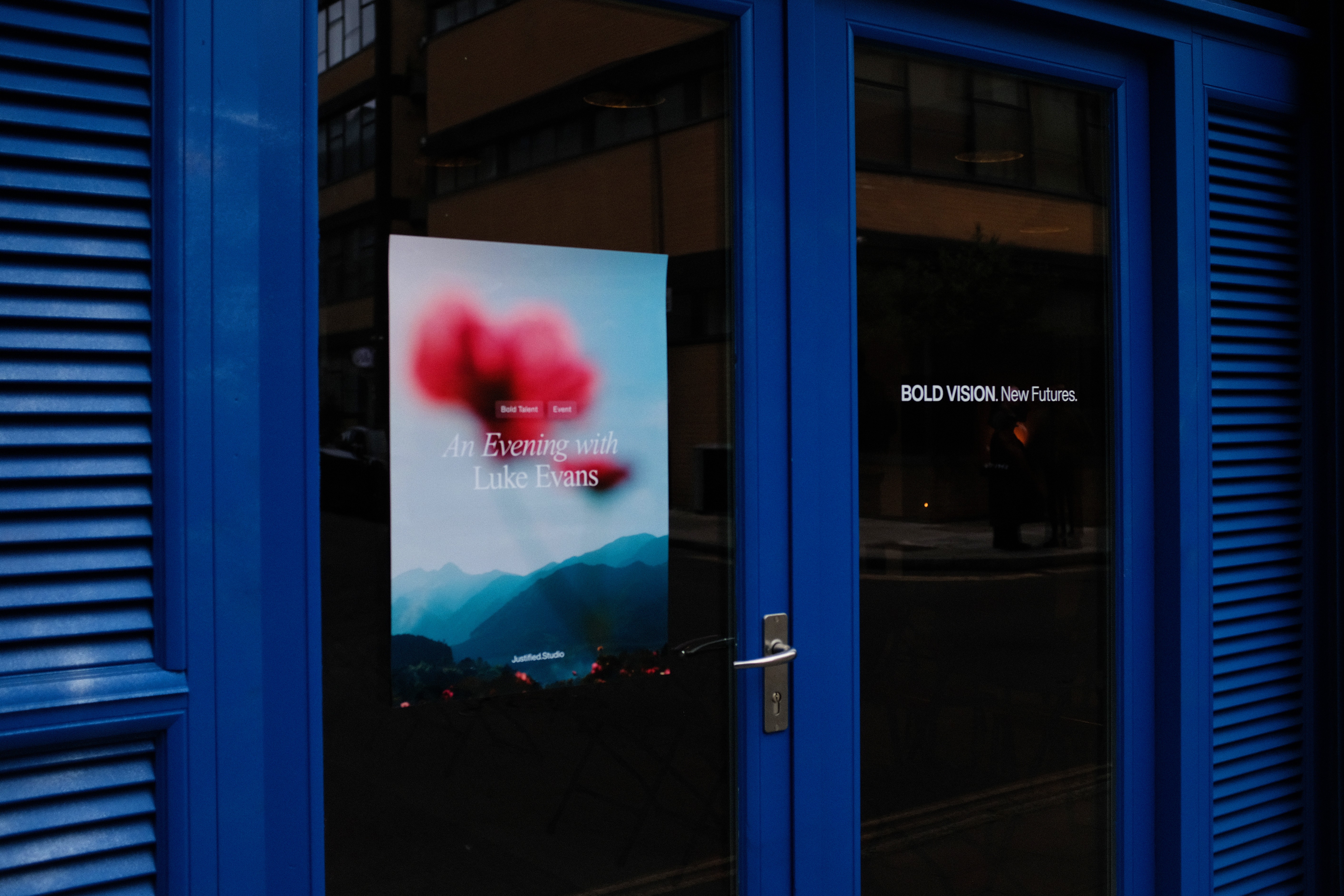
Luke Evans - Event poster at Justified Studio