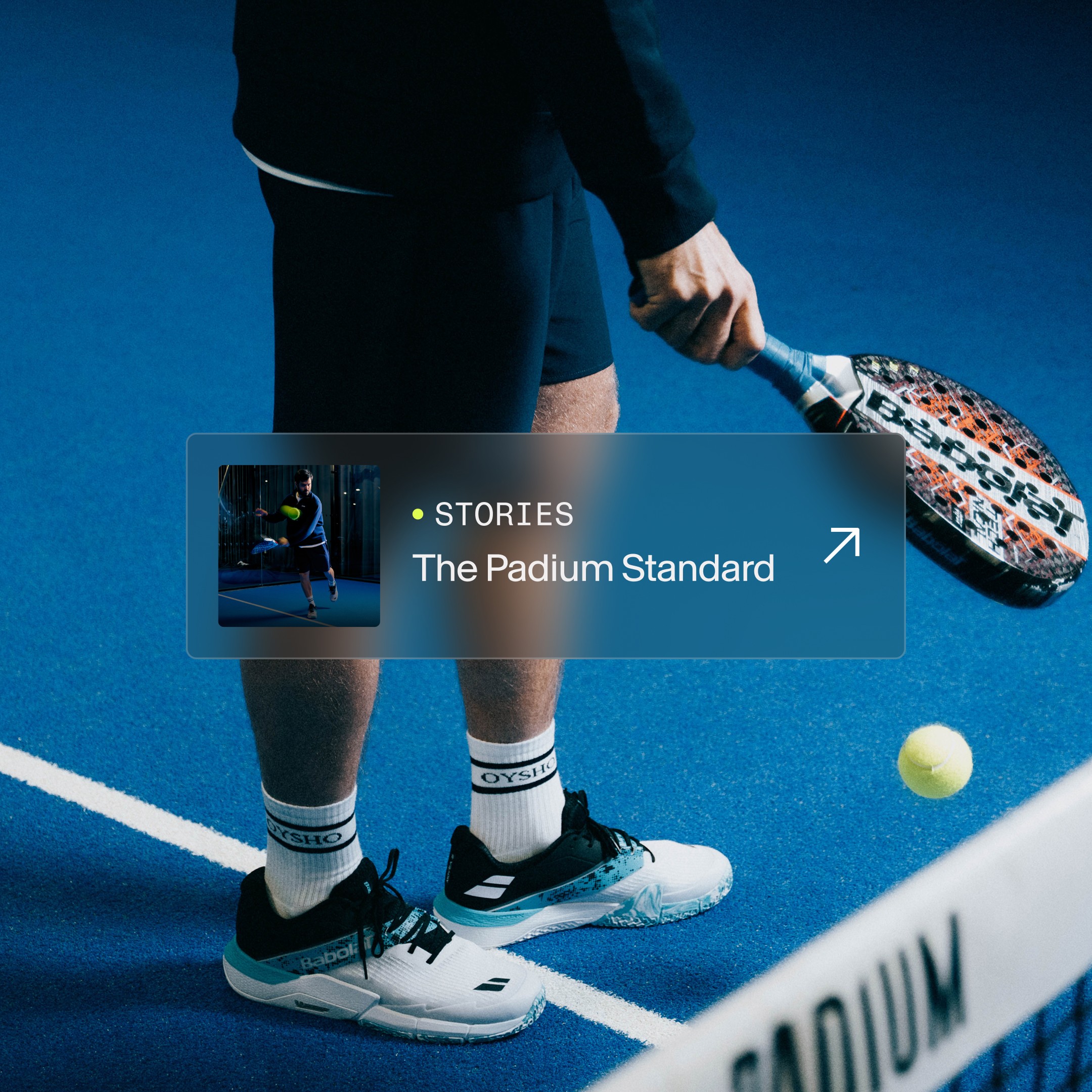
Building The Padium Standard
How Strategy Helped Padium Define a Category
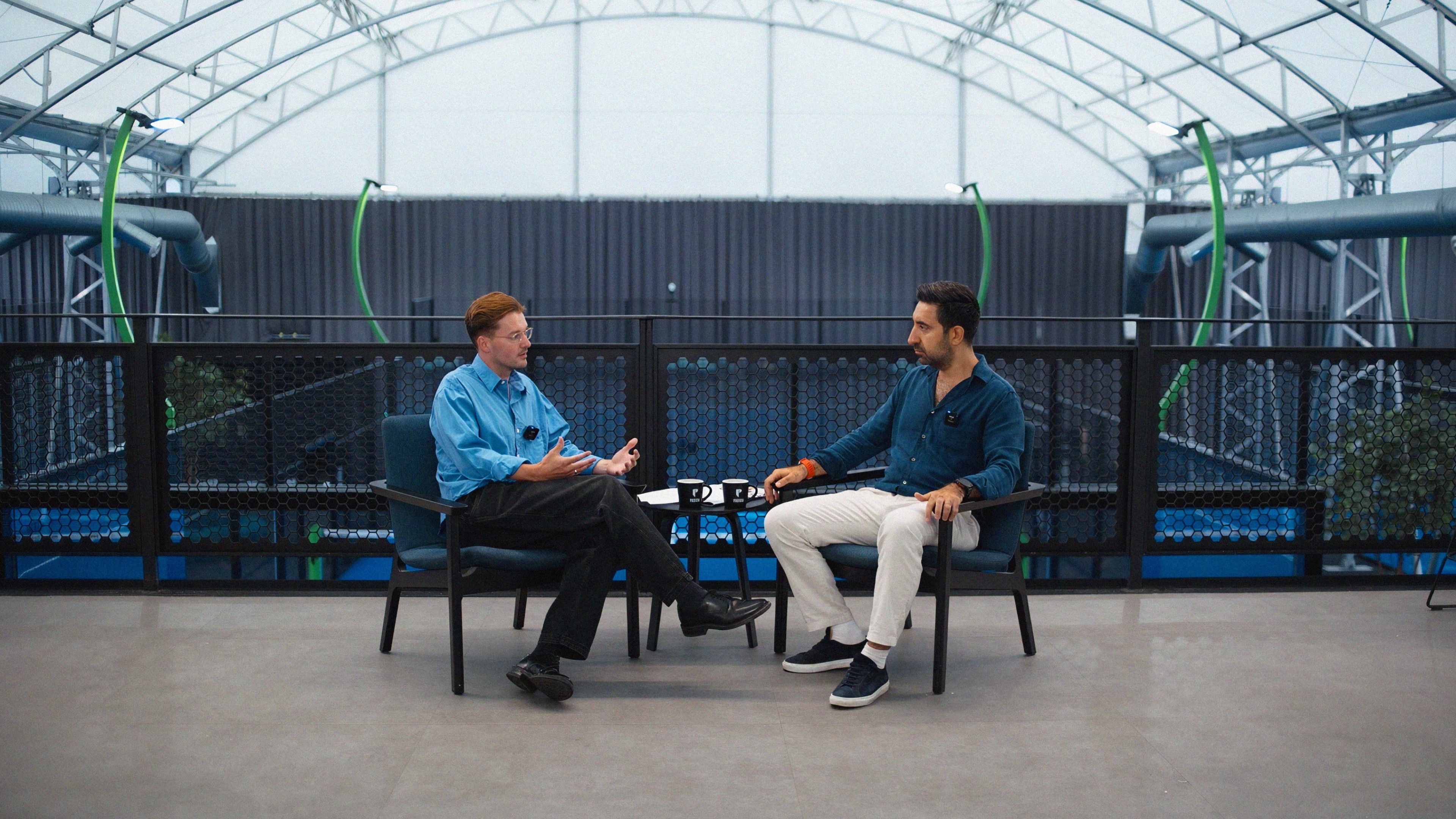
How do you create a brand that doesn't just compete in a category, but defines it? We sat down with Padium founder Houman and our Creative Director Josh to discuss the thinking behind The Padium Standard, and why the future of padel is about so much more than courts.
When people talk about brand strategy, they often talk about logos, colours and campaigns. But the most valuable strategic work rarely begins there. It starts by asking a much bigger question: what business are we really building? That was the question at the start of our work with Padium.
At the time, padel was entering a period of extraordinary growth. New clubs were opening across the country, investment was flowing into the sport, and the conversation was almost entirely centred around expansion. More courts. More locations. More members. From the outside, it appeared to be a race for scale.
The challenge was that every brand was beginning to sound remarkably similar. Everyone claimed to have the best facilities, the best coaching and the best experience. As the market matured, those promises became increasingly difficult to distinguish. Rather than asking how Padium could compete more effectively, we asked a different question.
If someone can play padel almost anywhere, why would they choose Padium?
That single question changed the direction of the project.
“A standard isn't something you say. It's something people experience.”Josh, Creative Director, Justified Studio
Padium founder Houman sits down with Justified Studio's Creative Director, Josh, to discuss the thinking behind The Padium Standard.
As we spent more time with the Padium team, it became clear that people weren't simply coming to Padium to play a sport. They were arriving early for coffee, staying afterwards to catch up with friends, bringing colleagues, spending time in the lounge and making the club part of their weekly routine. The court was only one part of the experience.
What people valued most was something harder to define. It was the confidence that every visit would feel considered. The atmosphere. The quality of the environment. The community around the game. The feeling that every detail had been designed with intention. That insight shifted the conversation away from facilities and towards experience.
It wasn't about creating a better padel club. It was about defining what a premium padel experience should feel like. From that thinking emerged an idea. The Padium Standard.
The phrase wasn't conceived as a marketing line. It became a way of articulating the philosophy that already existed within the business. A belief that excellence isn't communicated through advertising, but through consistency. Through the hundreds of small decisions that shape how people experience a brand. A standard is something people recognise without ever being told.
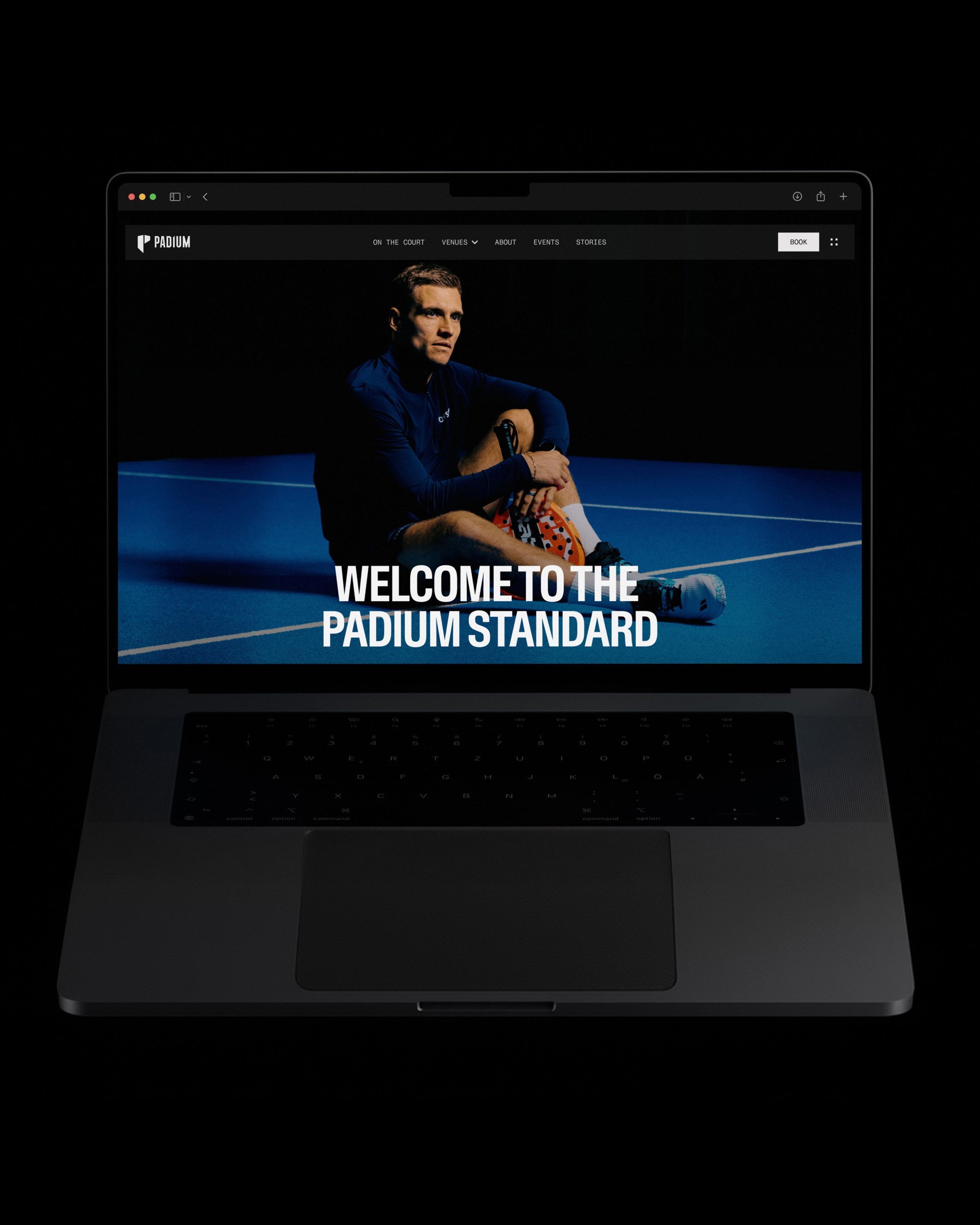
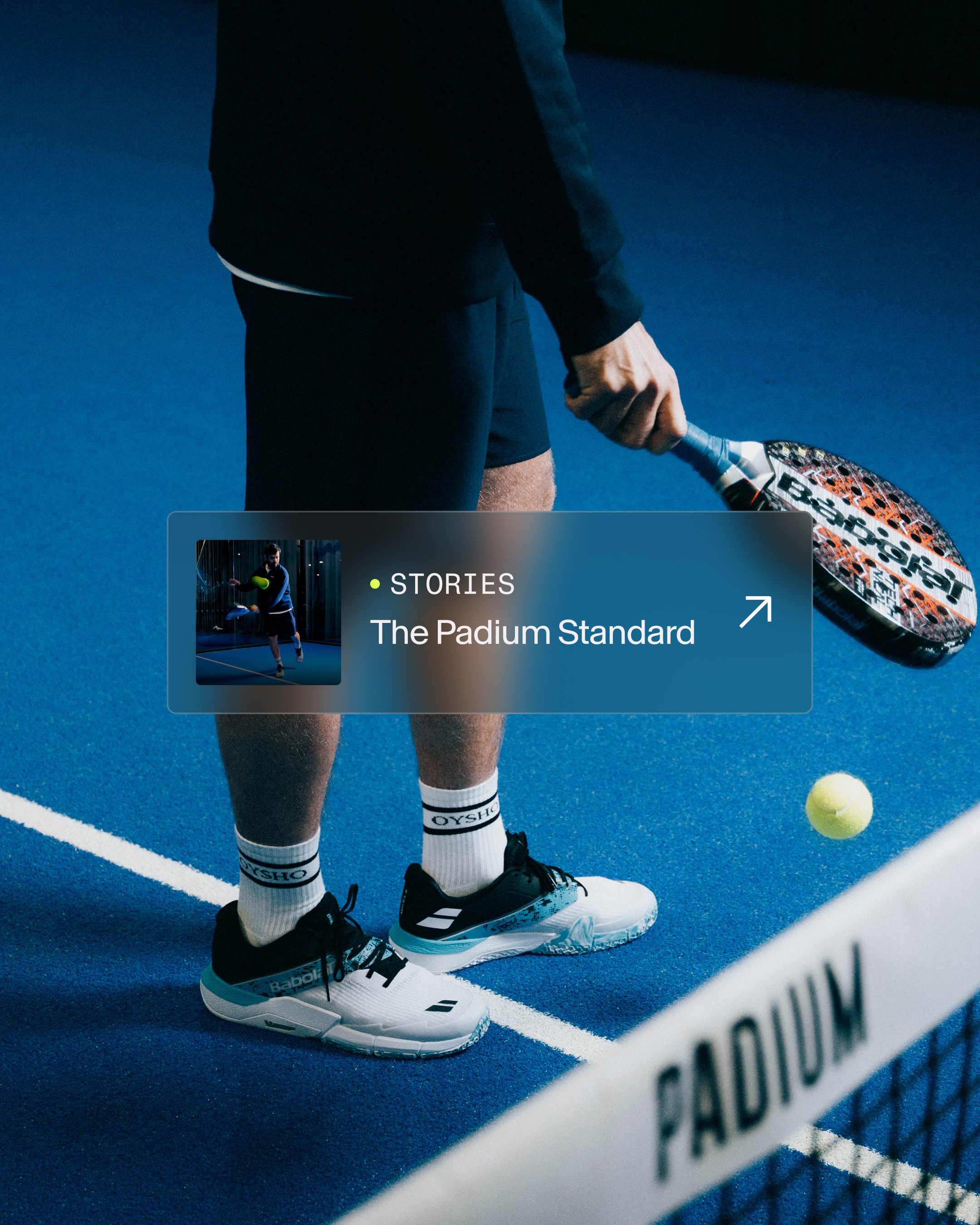
Details of the digital work from Justified.
“People don't come to Padium just to play padel. They come because they know every detail has been considered. That's what The Padium Standard means to us.”Houman, Founder, Padium
This is where positioning becomes more than branding. Strong strategic positioning influences product, service and culture just as much as it influences communications. It informs how spaces are designed, how teams interact with members, which partnerships make sense and, just as importantly, which opportunities should be declined.
For Padium, The Padium Standard became a framework for decision-making rather than simply a message for marketing. That distinction matters. The brands that create lasting value are rarely those that shout the loudest. They are the ones with the clearest point of view. They understand what they stand for, and they consistently reinforce it through every interaction.
Padium's ambition has never been simply to operate premium clubs. It is to establish a benchmark that others measure themselves against.
Not to be the biggest name in padel.
But to become the standard.