Designing A Merger
Two enterprises becoming one.
Mergers are rarely brand problems on the surface.
They are strategic, cultural and operational challenges that happen to express themselves through brand. For creative agencies, especially those working at enterprise level, the role is not to decorate a merger announcement or smooth over tension with surface-level unity. The role is to design a system that can carry complexity, hold contradiction and still move an organisation forward with clarity.
When we partnered with Indicium and Mesh-AI on the formation of Indicium AI, the task was not simply to create a new identity. It was to architect a new operating reality. This is what that work demands, strategically and creatively.
“The real risk in a merger is dilution, not difference. Architecture gives you a way to combine strengths without flattening them.”David Gadd, Indicium AI
Start with architecture, not aesthetics
The most common mistake in merger branding is starting with visuals. Logos, colour palettes and campaign language are seductive because they feel like progress. But without a clear architectural foundation, they become fragile fast.
Enterprise mergers bring together overlapping services, duplicated narratives, different cultures and uneven market perceptions. Before a single design decision is made, those realities need to be mapped.
Brand architecture is the first act of leadership in a merger. It defines what is being unified, what is being retained and what is being retired. It gives teams permission to let go of legacy without feeling erased.
For creative agencies, this means working upstream. Facilitating hard conversations. Pressure-testing ambition against credibility. Designing a structure that can scale globally and survive internal scrutiny.
Treat credibility as the primary design constraint
In enterprise mergers, credibility is the most valuable currency. Especially in sectors like AI, finance, infrastructure or healthcare, where buyers are sceptical and promises are cheap. The creative challenge is not to appear innovative or disruptive. It is to appear trustworthy, competent and serious, without becoming inert. This requires restraint. It means resisting familiar visual shortcuts and avoiding the urge to soften complexity with artificial warmth. It means designing systems that feel disciplined first, expressive second. Merger brands are often launched with a flourish and then slowly eroded by reality. New teams, new regions and new priorities expose weak systems quickly.
That is why merger branding must be approached as system design, not campaign design. A robust system provides tools, not answers. It allows teams to express complexity consistently, without constant central control. It prioritises adoption and longevity over novelty.
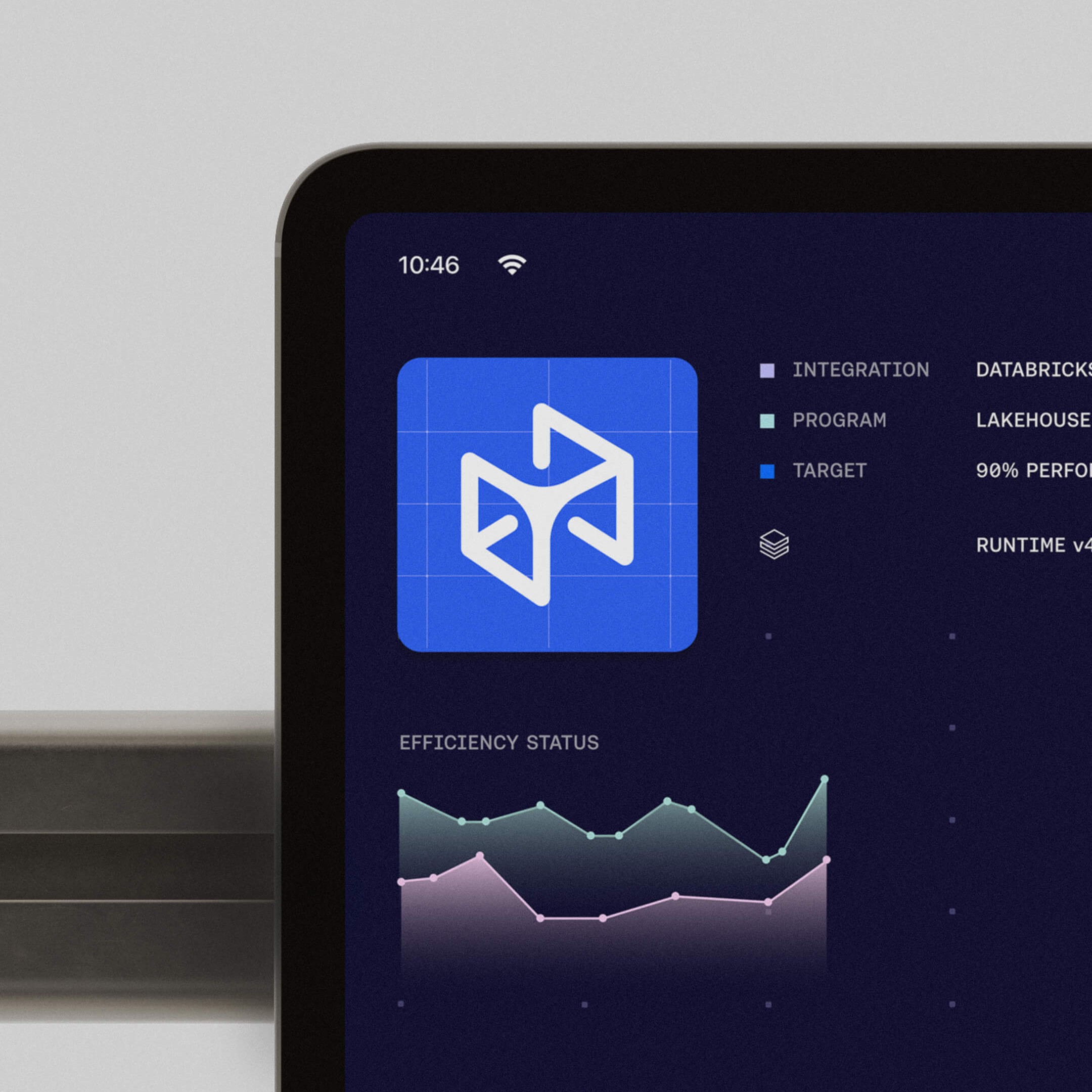
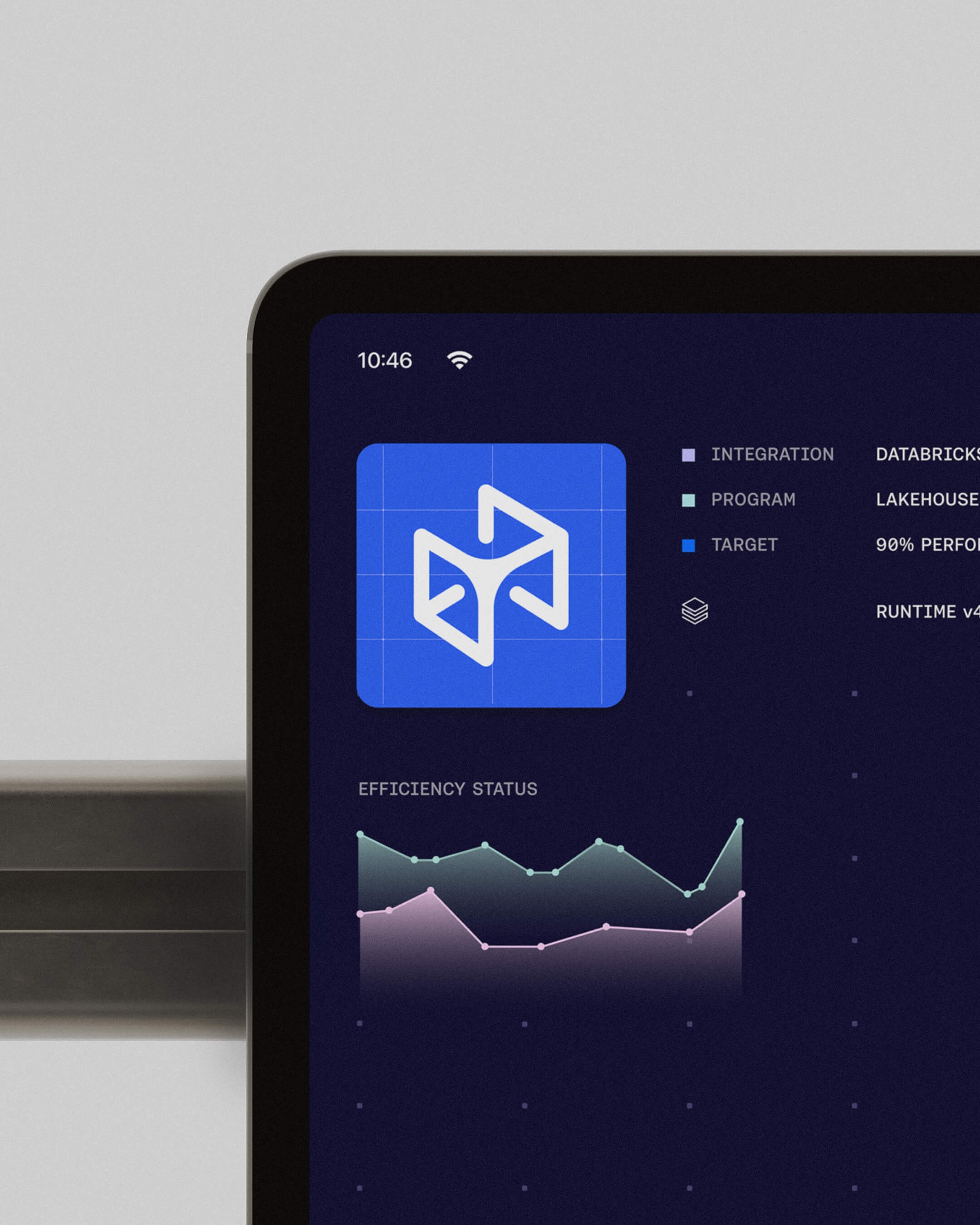
In the case of Indicium AI, this meant designing a visual and verbal system that could generate infinite variation while remaining coherent. A brand that could live inside living systems, not sit on top of them.
“Corporate does not have to mean bland. It means accountable. Once you accept that, you can push much further creatively.”Luke Patton, Director, Justified Studio
Align the internal story before the external one
Externally, mergers are about clarity. Internally, they are about trust. If teams do not recognise themselves in the new brand, no amount of external polish will compensate. Employees are the first audience, and often the most critical. Creative agencies play a vital role here. Not by over-indexing on internal comms, but by ensuring the strategy is legible and defensible. People do not need to love every decision, but they do need to understand it. When the internal logic is sound, adoption follows.
At enterprise level, the most effective creative agencies do not impose meaning. They translate it. They sit between ambition and execution. Between leadership intent and organisational reality. Between complexity and clarity. Merger work demands humility and confidence in equal measure. The confidence to challenge, and the humility to design something that will ultimately belong to the client, not the agency.
A successful merger brand does not just explain what has happened. It creates belief in what is possible next. That belief is built through coherence, discipline and trust. Through systems that scale. Through identities that can hold growth without constant reinvention. For creative agencies working in enterprise mergers, the measure of success is simple but demanding. The brand should feel inevitable six months after launch, and indispensable three years later.