At Justified Studio, the belief is simple. Strategy, brand design and digital are powerful forces in shaping how people think, behave and engage with the world.
Justified Studio’s Joshua Ogden on Climate Change’s Branding Problem
Climate change is the defining crisis of our time, yet the way we talk about it, show it and brand it has barely evolved. The visual codes of sustainability, from green palettes to stock imagery of wind farms, have become so predictable that they dull urgency rather than inspire action. For Joshua Ogden, Creative Director at Justified Studio, this is where the creative industry has both a responsibility and an opportunity. If creativity can sell products and shape culture, he believes it can also help shift behaviour on a global scale.
Creativity as a Tool for Impact
At Justified Studio, the belief is simple. Strategy, brand design and digital are powerful forces in shaping how people think, behave and engage with the world. As Creative Director, Ogden’s role is to turn strategic insight into visual expression, ensuring ideas become tangible across every touchpoint.
He sees no separation between creativity and climate responsibility. “The future is already here,” he says. “Businesses and institutions have no choice but to rethink how they operate. Our role as creatives is to ask what tools, messages and experiences can genuinely inspire change.” Brand design, he argues, is built on persuasion. If it can build love for products, it can also mobilise action for the planet.
“Effective climate communication must answer the same questions as any strong brand. Does it feel unique? Does it offer an untold narrative? Does it build a universe people want to be part of?”Joshua Ogden, Creative Director

Justified Studio’s Joshua Ogden
Making Climate Action Immediate, Desirable and Human
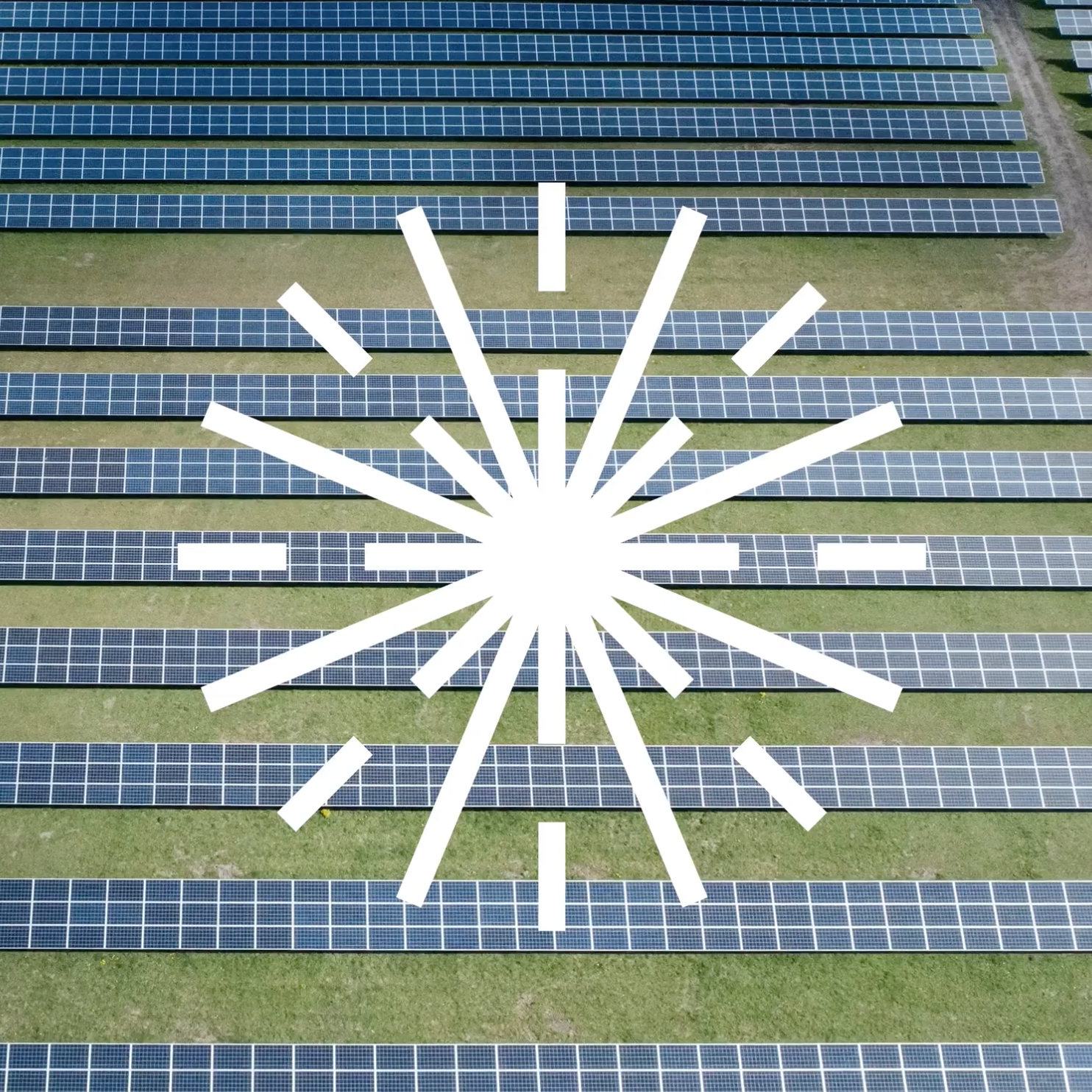
A recent example tested this belief. When Justified Studio were asked to rebrand Sweden’s largest solar provider, SVEA Solar, they faced a familiar obstacle, what Ogden calls the death grip of ‘Stock Sustainability.’ The default visual language of green energy, filled with solar panels, earthy tones and earnest statements, had lost its ability to motivate. It felt worthy, but not compelling.
To encourage people to switch to green energy, our view was clear. “Look at sectors that make change desirable. Do what Apple do. Make it tech. Make it immediate and make it sexy.” The rebrand replaced tired clichés with a visual identity that felt energetic, modern and culturally aware. The aim was not just to look different but to make renewable energy something people actively wanted to be part of. Ogden’s awareness of climate communication sharpened during a period living in Paris. While regularly returning to London, he found the city brought to a halt by Extinction Rebellion. The movement’s impact was undeniable, but what stood out most was how deliberately creative it was. “XR treated their first year as a creative brief,” he explains. They knew their audience, aligned with the youth climate strikes, embraced strong visual symbolism, and used social platforms with the precision of a brand launch.
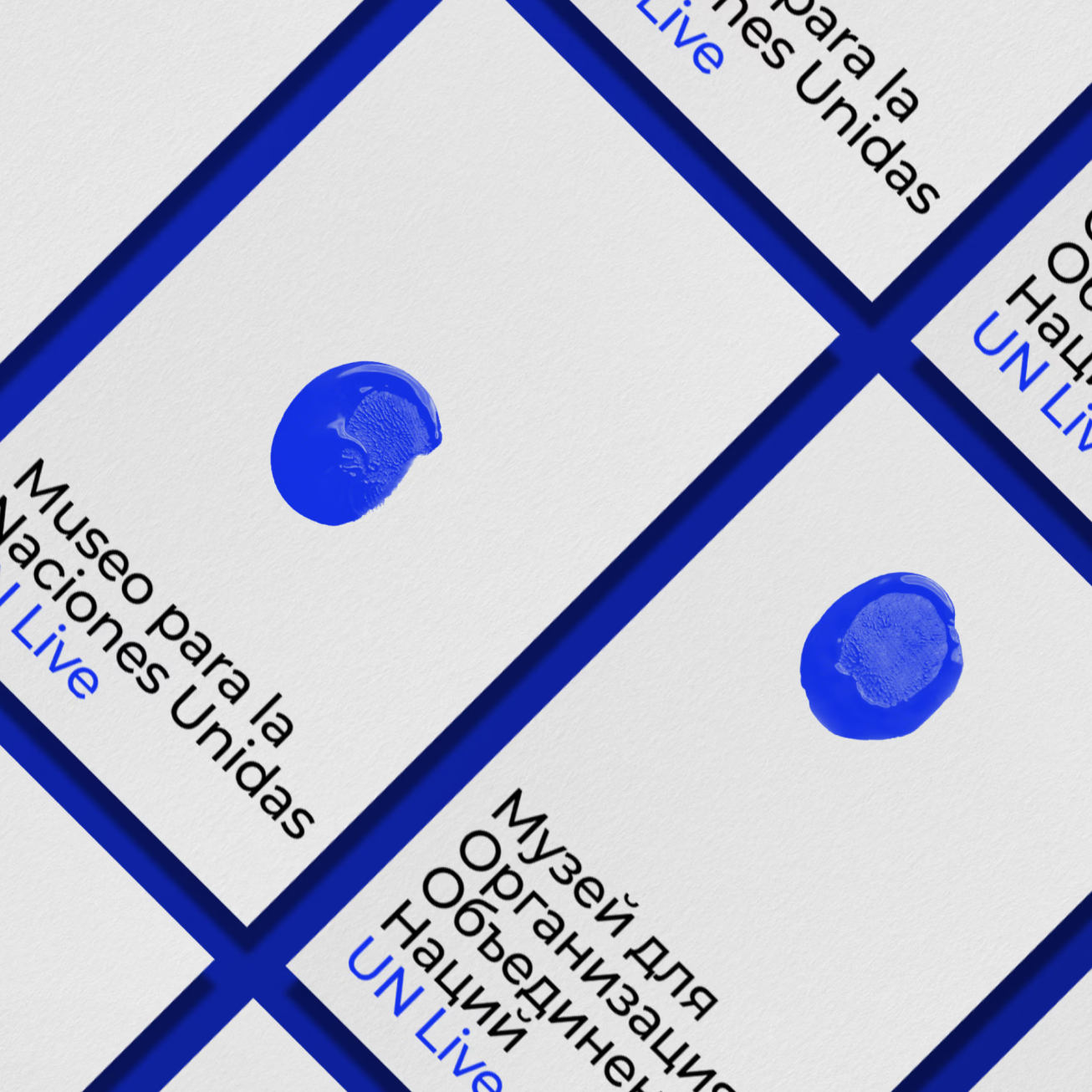
This was revelatory. It showed how powerful design and communications can be when applied with focus and ambition. It also led to a significant shift in his career, taking him back to London to join the Museum for the United Nations, which would later become Justified Studio’s first client.
Why Climate Branding Keeps Falling Flat
Despite progress, Ogden believes the climate movement still struggles with a fundamental branding issue. “Ask someone to draw a climate logo,” he says. “It will probably be green, show a burning planet and include a ‘No Planet B’ slogan.” Predictable and ineffective. The scale of the crisis deserves a brand that is bold, emotionally resonant and culturally fluent.
Effective climate communication must answer the same questions as any strong brand. Does it feel unique? Does it offer an untold narrative? Does it build a universe people want to be part of? And crucially, does it cross genres, appealing to people outside the echo chambers of activists and designers?
Right now, the movement rarely hits these marks. But that gap, he argues, is also the brief. “We need to design beyond our echo chambers. Reach youth groups, grassroots movements, NGOs. The opportunity is enormous. We can create the branding challenge of our generation, to make people, everyone, genuinely give a shit.”
The creative industry sits in a powerful and often underestimated position. Designers and communicators act as mediators between brands and the public. They shape narratives, define symbols and create desire. If applied intentionally, those skills can drive rapid behaviour change across society.
“There is still so much to be done,” he says. “But if we treat climate change as the greatest creative brief of our time, we can build something that moves people, shifts habits and influences culture.” The world does not just need more climate messages. It needs better ones, crafted with the same ambition and clarity that define the best brand work.
Words: The Brand Identity